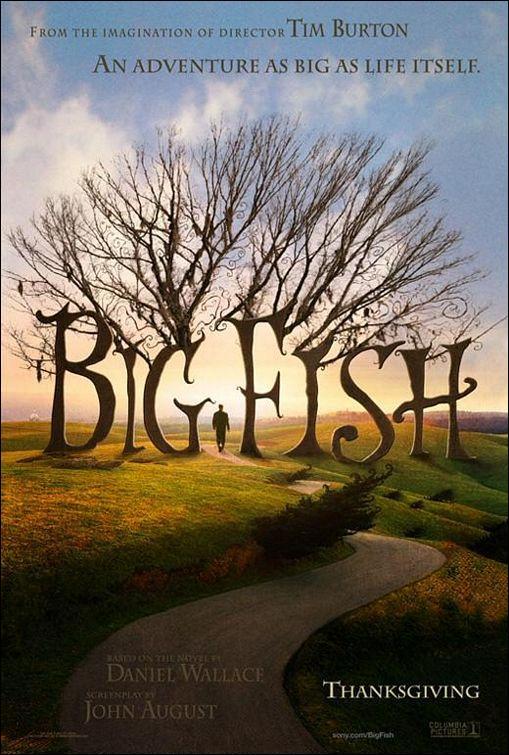
Lincoln Rhyme (Denzel Washington) is a tetraplegic forensics who tries to ends his life due to his illness. Let's talk about euthanasia (Extract from
http://warmupsfollowups.blogspot.com.es/):
A. Read the following definitions of euthanasia and then discusss the questions that follow. This activity was inspired by the excellent, thought-provoking and polemic site ProCon.org. It is totally worth visiting, especially if you are planning controversial conversation classes. Check the link on the sidebar.
"The word euthanasia was coined from the Greek language in the seventeenth century by Francis Bacon to refer to an easy, painless, happy death. In modern times it has come to mean the active causation of a patient's death by a physician, usually through the injection of a lethal dose of medication." Kathleen Foley, MD and Herbert hendin, MD
"The term euthanasia ... originally meant only 'good death,' but in modern society it has come to mean a death free of any anxiety and pain, often brought about through the use of medication. Most recently, it has come to mean 'mercy killing' -- deliberately putting an end to someone's life in order to spare the individual's suffering." Michael Manning, MD
B. Work in pairs and discuss the following questions. Justify your answers.
1. Should euthanasia or physician-assisted suicide be legal?
2. Would legalizing euthanasia and physician-assisted suicide save money for the healthcare system?
3. Are the economic pressures in the health care system too great to safely legalize euthanasia and physician-assisted suicide?
4. Is there a legal right to die?
5. Should the government be involved in patients' end-of-life decision-making?
6. Would legalizing euthanasia and physician-assisted suicide destroy patient trust in the medical profession?
7. Should euthanasia and physician-assisted suicide only be allowed for the terminally ill?
8. Is the debate over euthanasia and physician-assisted suicide primarily religious in nature?
9. Should euthanasia or physician-assisted suicide be legal?
C. Read about three kinds of euthanasia. In groups, decide what is the difference among them and if you believe any of them is should be legalized. Justify your answers.
Voluntary Active Euthanasia:
"Those instances of euthanasia in which a clearly competent person makes a voluntary and enduring request to be helped to die."
Passive Euthanasia:
"Passive euthanasia is an alternative name for withdrawal of treatment - the doctor withholds life-sustaining treatment. Passive euthanasia occurs when the patient dies because the medical professionals either don't do something necessary to keep the patient alive, or when they stop doing something that is keeping the patient alive. The doctor may switch off life-support machines, disconnect a feeding tube, not carry out a life-extending operation don't give life-extending drugs"
BBC - British Broadcasting Corporation Non-voluntary euthanasia
Non-Voluntary Euthanasia:
"The person cannot make a decision or cannot make their wishes known. This includes cases where the person is in a coma, the person is too young (e.g. a very young baby), the person is senile, the person is mentally retarded to a very severe extent, the person is severely brain damaged, the person is mentally disturbed in such a way that they should be protected from themselves"
BBC (British Broadcasting Corporation)
D. Work in small groups and decide if the majority of the group agrees or disagrees with the following statements.
1. If voluntary euthanasia were to become legal, it would not be long before involuntary euthanasia would start to happen. In general form it says that if we allow something relatively harmless today, we may start a trend that results in something currently unthinkable becoming accepted.
2. Legalizing physician-assisted suicide endanger people with disabilities, poor patients, elderly patients, minority patients, female patients, and infant patients.
3. Euthanasia is the best manner to stop terminally ill patients' suffering.
4. No one knows the suffering of a very ill patients, except themselves. This is the main reason for euthanasia to be practiced.
5. Euthanasia and suicide are very close to each other in essence.